
Tapered roller bearings are usually split
2026-08-06
Tapered roller bearings mainly support combined radial-axial loads with a predominance of the radial component. The load carrying capacity of a bearing depends on the angle of the outer ring raceway; the larger the angle, the higher the load carrying capacity. This type of bearings is split. Based on the number of rows of rolling elements, they are divided into single-row, double-row and four-row tapered roller bearings. The radial clearance of single row tapered roller bearings is user adjustable during installation; The clearance of double-row and four-row bearings is set at the factory according to customer requirements and does not require adjustment by the user.
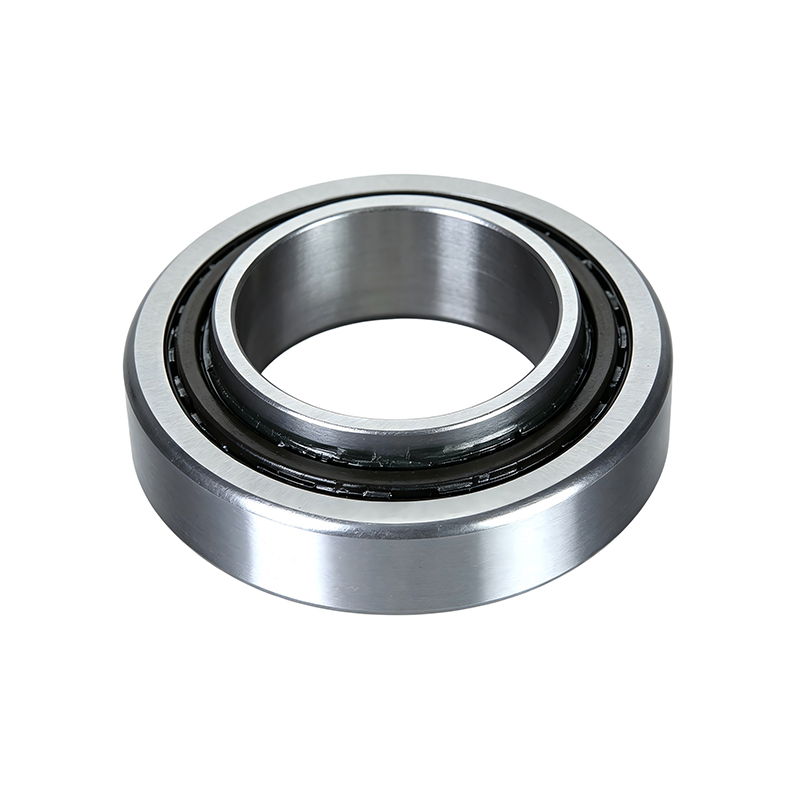
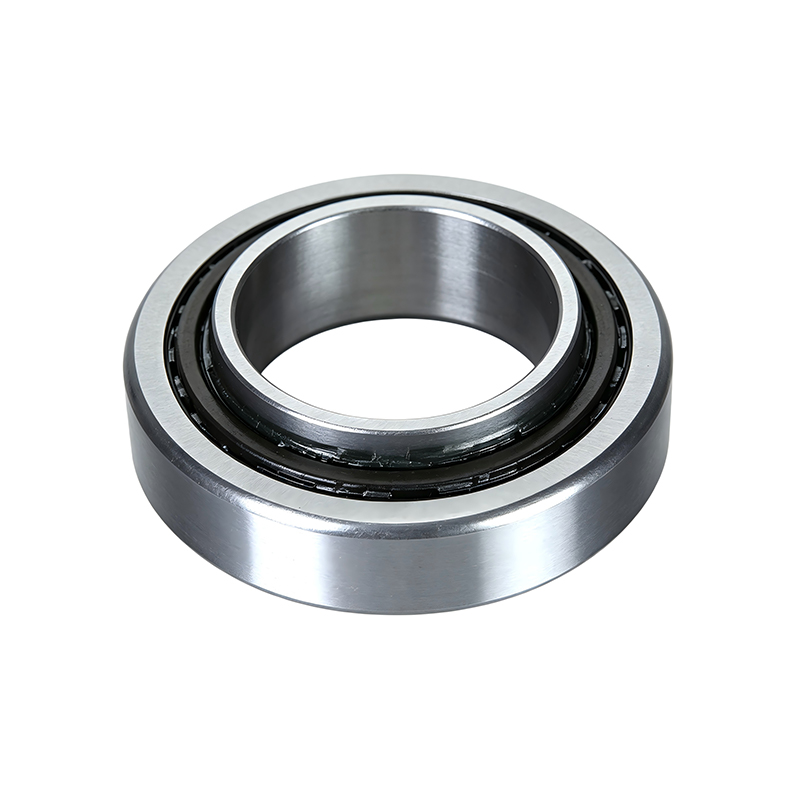
Tapered roller bearings have tapered raceways on the inner and outer rings, with tapered rollers located between them. The continuation lines of all conical surfaces converge at one point on the bearing axis. This design makes tapered roller bearings particularly suitable for carrying combined (radial and axial) loads. The axial load capacity of a bearing is mainly determined by the contact angle α; The larger the angle α, the higher the axial load capacity. The magnitude of the angle is expressed by the calculated coefficient e; The higher the e value, the greater the contact angle and the better the bearing is suited to bear axial loads.
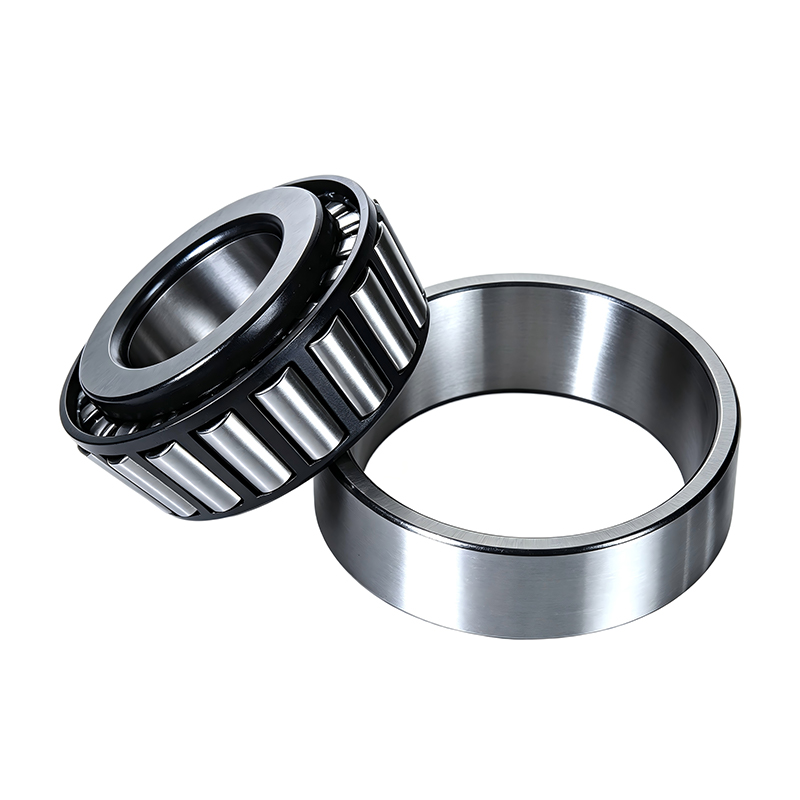
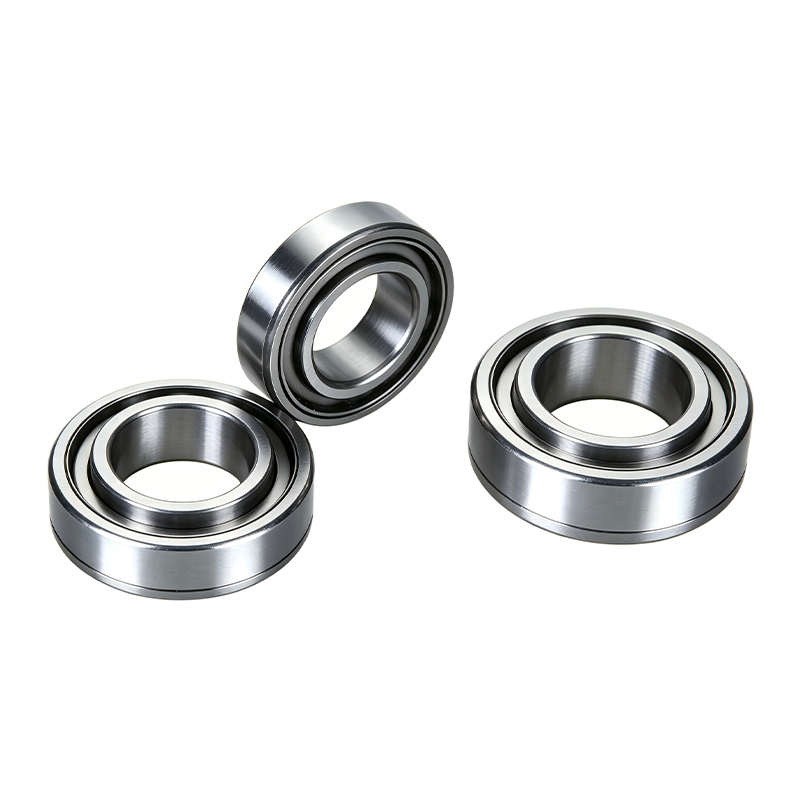
Tapered roller bearings are usually split, meaning the inner ring, roller and cage assembly can be mounted separately from the tapered outer ring.