
Load analysis of tapered roller bearings is of great importance
2026-07-30
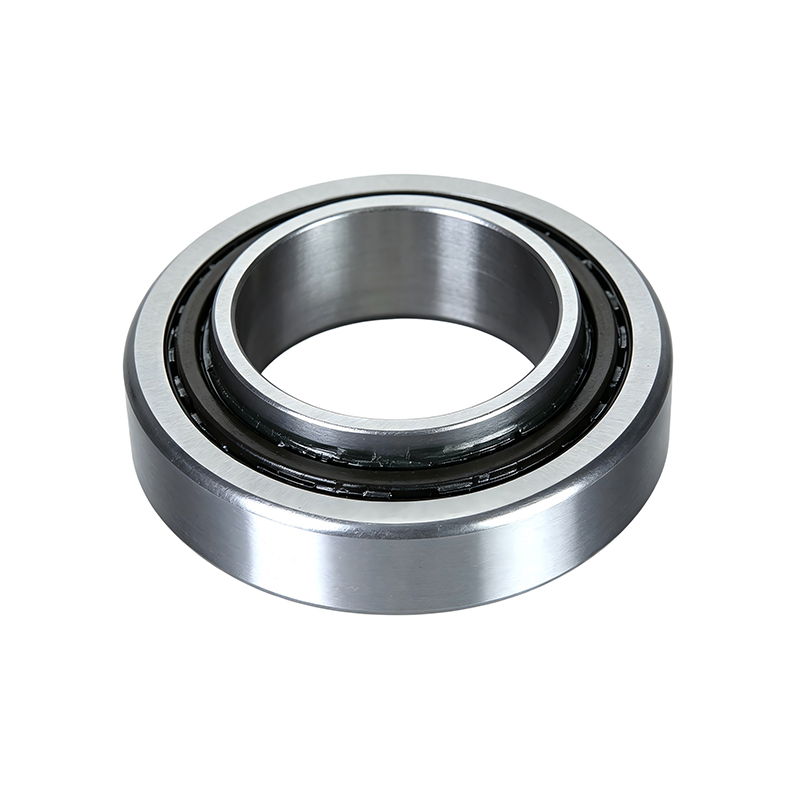
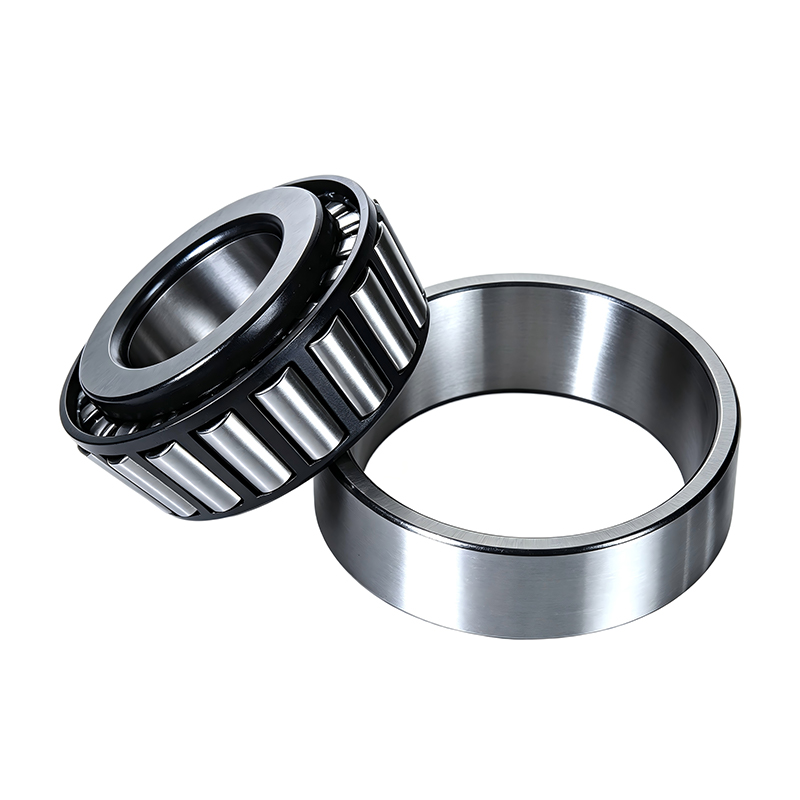
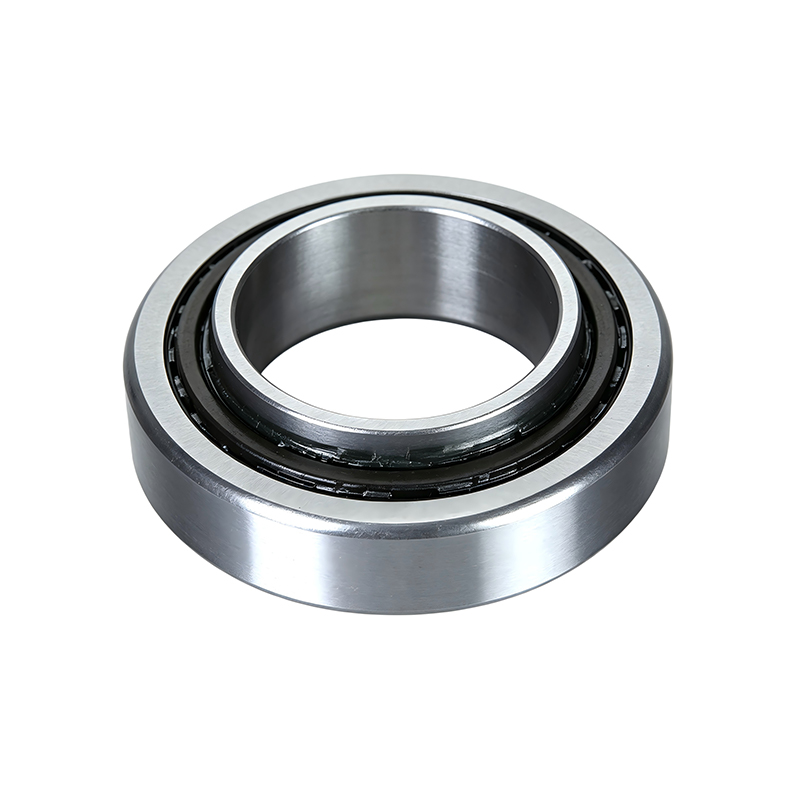
Tapered roller bearings are designed to support radial loads, single-sided axial loads, and combined radial-axial loads. The axial load carrying capacity of a tapered roller bearing depends on the contact angle α, that is, the raceway angle of the outer ring. The larger the contact angle α, the higher the axial load capacity. Typically, tapered roller bearings do not allow angular misalignment, but with the special design of the roller surfaces and raceways, misalignment in the range of 2′–4′ is possible. A single tapered roller bearing supports axial load in one direction.
It also limits the axial movement of the shaft relative to the bearing housing in one direction. Even when subjected to pure radial load, an additional axial component is generated inside the tapered roller bearing. In this case, an equal opposing force is required to balance it. Typically, two identical single tapered roller bearings are installed in two bearings in a face-to-face or back-to-back arrangement. Tapered roller bearings, like other ball and roller bearings, must have a slight preload to operate properly, especially when operating at high speeds, high accelerations, or when load direction changes frequently.
Tapered roller bearings are highly effective in applications in the automotive industry, rolling mills, mining, metallurgy, plastics processing equipment and other sectors. When operating tapered roller bearings, load analysis is very important because it affects not only the performance of the bearings, but also the entire production process.